

'/%3E%3Cpath%20fill='%23b2b2b2'%20d='M241%20382q0%2016%2017%2026%2017%2011%2042%2011t42-11q16-11%2017-26V269H241'/%3E%3Cpath%20fill='%239f7e00'%20d='M241%20379q0%2014%208%2023%209%209%2021%209%2014%200%2021-9%209-9%209-23V269h-59'/%3E%3Cpath%20d='M241%20339v-70h59v110q0%2014-9%2023l-6%205v-68h-15v72q-8%200-14-4v-68zm59%2040c0%2022%2015%2032%2029%2032%2021%200%2030-18%2030-32v-40h-59'/%3E%3Cpath%20fill='%239f7e00'%20d='M266%20277v5h2v12h-3v-5h2v-5h-9v5h2v5h-4v9h3v18h-5v10h34v-10h-5v-18h3v-9h-4v-5h2v-5h-9v5h2v5h-3v-12h2v-5zm42%20101q0%2010%206%2017%206%206%2015%207%2010-1%2016-7%206-7%206-17v-29h-43'/%3E%3Ccircle%20fill='%230044ad'%20cx='329.5'%20cy='372'%20r='6'/%3E%3Cellipse%20fill='%230044ad'%20cx='300'%20cy='340'%20rx='16'%20ry='21'/%3E%3C/svg%3E)
COP17 Yerevan
Navigating COP17 on Biodiversity in Armenia: The…

Every April 22nd the world pauses — at least in appearance — to celebrate the Earth. But behind the press releases, the social media posts and the international conferences, reality tells a different story. A story of missed targets, evaporated promises and a planet still paying the price for decisions that others make, or fail to make.
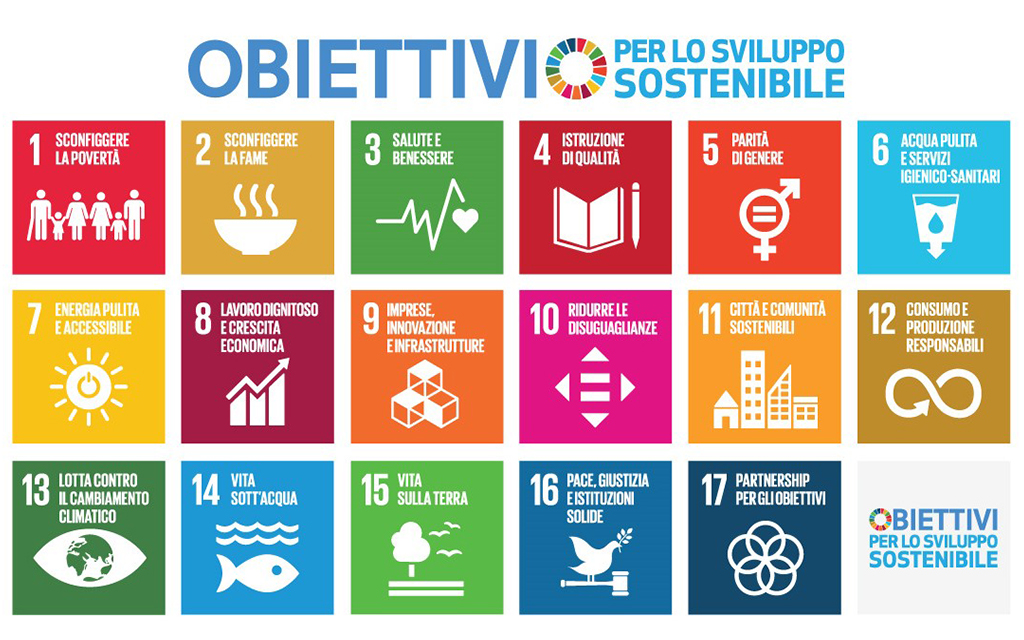
The UN’s 2030 goals are slipping further away, while the planet calls for attention and the world looks elsewhere..
The UN’s 17 Sustainable Development Goals, designed as a compass toward 2030, were born from a sound intuition: that climate, poverty, justice and biodiversity are faces of the same problem. With less than five years to go, the picture is discouraging. Not because the direction was wrong, but because the system meant to travel that road has stalled — or worse, has changed course.
The United Nations, designed as a neutral arbiter of a global community, is increasingly a stage emptied of real power. The big decisions are made elsewhere: in bilateral talks between superpowers, in closed-door summits, in rooms occupied by a few who answer to no electoral mandate. Meanwhile, conflicts — from Gaza to Ukraine, from Sudan to Myanmar — consume resources, destroy ecosystems, displace entire populations and drain the political oxygen from any green agenda. It is hard to talk about reforestation when bombs are setting forests on fire.
On top of this, a social fracture widens every year. Wealth is concentrating in increasingly stark ways: a handful of individuals now own as much as half of all humanity combined. The poorest nations — those that have contributed least to global emissions — are already on the front lines facing the consequences: droughts, floods, famines. And they lack the resources to adapt. The “green transition” risks becoming yet another privilege of the wealthy.
In this context, climate denial is not merely ignorance: it is a political strategy. Sovereignist movements of various stripes — often hard to pin down, often financed by fossil fuel interests — have turned the rejection of science into a matter of identity. Questioning climate change has become, in certain circles, a way of asserting independence from the global elite. The result is that the ecological crisis ends up held hostage to a culture war, while glaciers keep melting with complete indifference to the television debates.

Nature does not negotiate. It does not wait for leaders to reach an agreement, it does not offer discounts to growing economies, it does not postpone a species’ extinction to respect electoral timetables. Every year lost means species gone, forests felled, soils depleted, waters poisoned — and ecosystem services vanishing in silence..
And yet what strikes most is precisely the scant regard reserved for nature as such — not as a resource to exploit, not as a tourist backdrop, but as a living system that sustains us. Forests regulate the climate, purify water, stabilise soil, and harbour the biodiversity on which our own food chains depend. Intact natural areas are our life insurance. Instead we treat them as empty space to fill, as a cost to optimise, as an obstacle to development.
Democracy itself is under strain: governments that are less and less representative, civic spaces shrinking, environmental movements criminalised in dozens of countries. Those who defend the tropical rainforest risk their lives. Those who propose a climate law face million-dollar lobbying campaigns. Popular participation in decisions about the planet’s future is at historic lows, precisely at the moment when those decisions are most urgent.
April 22nd should not be a celebration. It should be a collective examination of conscience. The question to ask is not “what do we do for the Earth?” — as though it were a favour to be granted — but “how much are we truly willing to change the way we inhabit this planet?” For now, the answer is given by the warm wind blowing out of season, the river that is no longer there, the forest burning in October.

Navigating COP17 on Biodiversity in Armenia: The…

Green Transit: How the Cities of the…

The Souls of Cabo Blanco Lola Pereira…