


Excerpt from “Us and the Environment – Province of Modena
article by Claudio Santini and Andrea Di Paolo
This area, once dedicated to agriculture until a few decades ago, has since been gradually abandoned, paving the way for a natural rewilding process that brings remarkable environmental benefits to the heart of Modena.
The area features rows of elm trees intertwined with vines, forming the traditional “Modenese plantation.” These are complemented by patches of shrubs, hedges with native woody species, and stable meadows that evoke the irrigated fields once common in Modena. Clusters of trees, arranged in isolated groups, dense hedgerows, and small groves, create picturesque natural landscapes that stand in striking contrast to the surrounding urban developments.
Beneath the dense, interlocking canopies of the elm trees, the area resembles a mature forest dotted with clearings. Yet, the original agricultural plantation design remains visible and can even be traced back in time. The dominance of European white elm strongly indicates that the plantation was created in the late 1940s—a time when efforts were underway to replace field elms, which had been ravaged by Dutch elm disease, with more resilient varieties.
Seven rows of elm trees stretch east to west, interspersed with occasional wild grapevines (Vitis vinifera). The colonization of trees and shrubs commenced as the surface soil reached higher levels of humification.
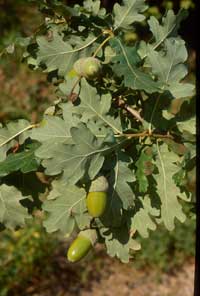
As a result, native tree and shrub species have become more prevalent, including elm (Ulmus laevis, U. minor), wild cherry (Prunus avium), field maple (Acer campestre), pedunculate oak (Quercus robur), black poplar (Populus nigra), white willow (Salix alba), spindle (Euonymus europaeus), hawthorn (Crataegus monogyna), blackthorn (Prunus spinosa), privet (Ligustrum vulgare), and ivy (Hedera helix). Historical and paleontological evidence suggests these species were integral to the composition of ancient lowland forests.
The area is home to a variety of herbaceous species commonly found in hedgerow environments, woodland edges, clearings, and meadows. These include Ranunculus ficaria, Eranthis hyemalis, Aristolochia rotunda, Aristolochia clematidis, Lamium maculatum, Glechoma hederacea, Ranunculus velutinus, Ranunculus repens, and Narcissus tazetta, among others. Along the periphery, several widely naturalized exotic species are also present, such as Acer negundo, Robinia pseudoacacia, Ailanthus altissima, Parthenocissus quinquefolia, and Prunus cerasifera var. pissardii.
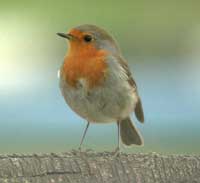
The area holds significant value for urban wildlife conservation, with 44 bird species recorded so far, including 16 confirmed breeding species, 3 probable breeders, and 1 possible breeder. Certain species, like the red-backed shrike, have become increasingly rare due to habitat loss, particularly the decline of traditional farmland and woodland edges. This species is now listed in the Italian Red List, highlighting its conservation importance.
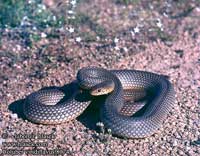
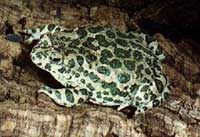
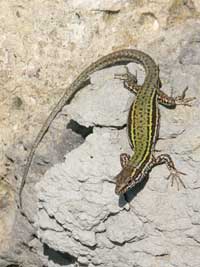
Reptiles and amphibians, including the green whip snake (Hierophis viridiflavus), the common wall lizard (Podarcis muralis), the Italian wall lizard (Podarcis sicula), the common frog (Pelophylax esculentus), and the green toad (Bufotes viridis), along with various small mammal species, are also present. Access to the restricted internal areas is prohibited to the public and is exclusively reserved for scientific research.
The recent “green” initiatives have focused on establishing a 300-meter-long hedge to act as a natural filter along the open perimeter and introducing clusters of shrubs and trees. Furthermore, a wetland area has been developed in a spot where rainwater naturally collects, promoting wildlife habitats and encouraging the growth of helophytic species such as cattails and reeds, which thrive in these environments.
The pond, enriched with hygrophilous species designed to foster vegetation communities typical of shallow, stagnant waters, has the potential to become a centerpiece of the oasis. The selection of plants prioritized not only native species but also those already naturally established in the area.
The choice of these plants is not driven by aesthetic or design harmony considerations, but by environmental needs. Careful attention was given to the area’s ecological vocation and fragile balance. The decision deliberately focused on species capable of thriving in this type of environment. Other interventions included the installation of external fencing, general area reclamation, and securing pathways by removing hazardous trees and branches. The biomass obtained from pruning and tree removal was not sent to a landfill but left within the protected area to enhance shelter zones and provide food for wildlife.
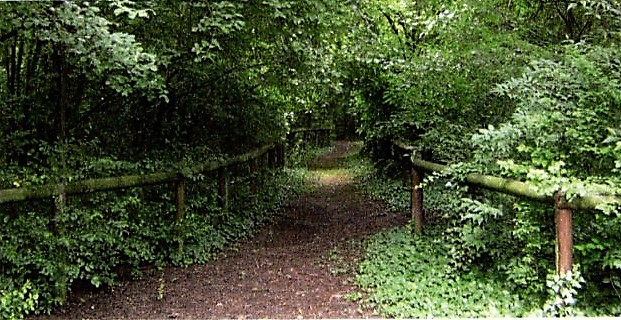
The limited furnishings within the park are thoughtfully crafted from wood, a material that seamlessly blends with the natural environment. Wooden benches, tables, winter feeders, artificial nests, and similar features enhance the space without disrupting its harmony. With its remarkable natural value, the park relies on visitors to respect and help preserve its beauty during open days.
To address both needs, a designated marginal area has been created, featuring benches for citizens to enjoy reading or simply relax. This initiative seeks to channel human activity toward a less ecologically sensitive zone.
Study Area
Within the park, specific zones have been reserved as educational research laboratories and are closed to the public. These areas include a “permanent square” and two longitudinal “transects.” The permanent square facilitates long-term studies of natural processes in environments untouched by human interference. Meanwhile, the transects provide a framework for analyzing the relationship between plant species and diverse environmental conditions along predetermined paths.
Extraordinary maintenance is minimized, ensuring low management expenses. Routine upkeep involves periodic mowing along trails, rest areas, and entry zones. To preserve clearings and meadows and prevent extensive reforestation, a single annual mowing will take place during the winter. Collected materials will be repurposed to create enhanced refuge areas for wildlife.
Areas left to natural evolution will remain untouched and free from maintenance.
A key objective, alongside those previously mentioned, is to explore a model of coexistence that fosters mutual benefits between humans and nature, emphasizing the value and interconnectedness of all living and non-living elements within our ecosystem.
The creation of a park that fosters spontaneous associations and natural aspects, with full respect for the environment—a site capable of attracting even the rarest components of lowland ecosystems, serving as a small genetic bank of local ecotypes for future generations. By promoting diversified “green” spaces and spreading awareness about freely developing spontaneous areas, a true respect for nature in its many facets may eventually emerge. There is also the awareness of avoiding further harm to a territory already deprived of its diversity. •
INFORMATION SHEET: LA PIANTATA
Excerpt from “Us and the Environment – Province of Modena
article by Claudio Santini and Andrea Di Paolo
Opening curated by GEV Modena
From April to October, Saturdays from 3:00 PM to 7:00 PM
Closed in August
Area: 25,000 m2 – Altitude: 36 meters above sea level
Map: Regional Technical Map 1:10,000, Sheet No. 201150 Modena Southwest
Main vegetation:
shaded and/or temporarily wet meadows, free-evolving grasslands, hedges and shrub patches, reed species, and semi-submerged plants.
Most common tree species: field elm (Ulmus minor), European white elm (U. laevis), white willow (Salix alba), black poplar (Populus nigra), either isolated or in rows.


